Understanding Attic Mold Removal: A Practical Guide for Boston Homeowners
If you live in Boston and have an older home, you probably know the attic can become a problem zone. It's dark, it's often poorly insulated, and the airflow might be minimal. That combination creates an environment where mold thrives. I've seen attics where a small leak from the roof turned into a colony of black mold within weeks. The key is understanding what you are up against and knowing when to handle it yourself versus calling a professional remediation company.
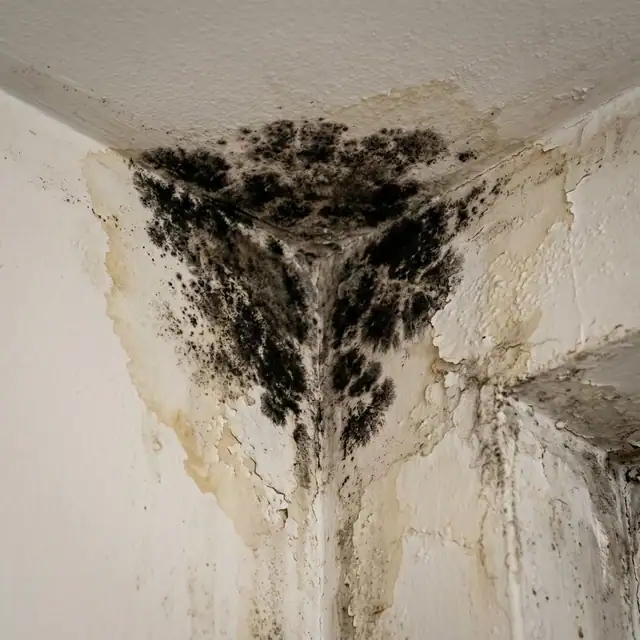
Mold in the attic is not just a cosmetic issue. It can affect your family's health and compromise the structure of your house. Spores can drift down into living spaces, causing allergies or respiratory problems. That is why attic mold removal needs to be taken seriously from the start. You cannot just paint over it and hope for the best.
Why Attics Are a Mold Magnet
Attics have a few things working against them. First, they sit right under the roof, so any leak from damaged shingles or flashing lets water in. Second, warm air from the house below rises and meets the cold roof deck. That creates condensation, especially in winter. Add poor attic ventilation and you have a breeding ground for mold. I have crawled into attics where the insulation was soaked simply from moisture moving up from the floor below.
In Boston, with its freeze-thaw cycles and heavy snow, roof leaks happen. Even a small drip can keep a patch of wood damp long enough for mold to take hold. That is why regular inspection matters. Using an inspection camera can help you spot trouble in tight corners without having to climb into a cramped space.
Safety First Before You Start
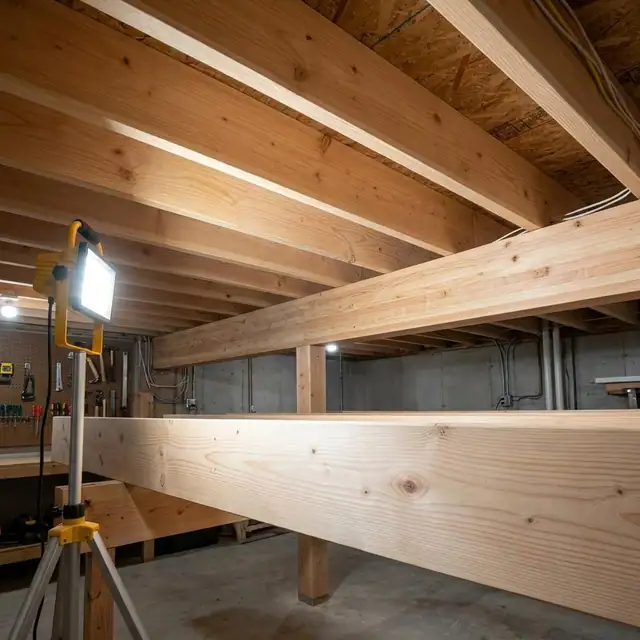
Before you even think about scrubbing mold, you need to protect yourself. Mold spores become airborne the moment you disturb them. You should wear an N-95 respirator at minimum. Ordinary dust masks do not seal well enough. Also wear protective gloves and eye protection. Cover the floor and any stored items with plastic sheeting to contain the mess.
If the mold covers more than about ten square feet, you should call a mold inspector first. They can tell you the type of mold and how deep it has penetrated. For larger infestations, you really want a remediation company that follows EPA guidelines. They have commercial grade equipment and know how to contain the area so spores do not spread through the rest of the house.
DIY Approaches That Actually Work
For small patches of surface mold, you can try a few household products. But you need to know what works and what doesn't. Many people reach for bleach first, and that can be a mistake. Bleach kills mold on non-porous surfaces like tile, but on wood or drywall it only bleaches the color. The roots can remain and the mold grows back. A better option for wood is vinegar. Spray undiluted white vinegar on the mold, let it sit for an hour, then scrub and dry. Vinegar is mild but effective on many common molds.
Another good choice is borax mixed with water. Borax does not emit strong fumes and it actually inhibits future growth. For tougher spots, hydrogen peroxide can work. Just test it on a hidden area first because it can lighten some surfaces. Tea tree oil is a natural option if you want something with a pleasant smell, but it's more expensive and needs to be mixed with water. I have used it on small spots and it did the job, but for larger areas you might want a commercial product.
Some people try a mold fogger for attics that are hard to reach. A fogger fills the space with a fine mist that settles on surfaces. It can be effective, but you still need to scrub the dead mold off afterward. Dead mold can still trigger allergies if left in place. You also need to ventilate the attic well after using a fogger.
Commercial Products Worth Considering
If you want something stronger than household items, there are products designed specifically for mold. Concrobium is a popular choice. It kills mold and leaves a residue that prevents regrowth. It is safe for most surfaces and does not have a strong smell. Another product is RMR-141. This is a heavy duty mold stain remover that works fast. You spray it on, let it sit briefly, and the mold stains disappear. It is good for bare wood and concrete. For attics where you also want to clean the air, you can use a HEPA vacuum after scrubbing. A HEPA vacuum captures tiny spores that regular vacuums just blow around.
EnviroKleen is a brand that some remediation companies use for large jobs. It is a broad-spectrum biocide that meets EPA guidelines. If you are dealing with a stubborn infestation, EnviroKleen can be very effective. But you have to follow the label instructions exactly. Overuse can damage materials or create unnecessary fumes.
When to Call a Professional
There is a limit to what DIY can accomplish. If the mold has penetrated drywall, wood studs, or roof sheathing, you need professional attic mold removal. A remediation company will set up containment, use commercial grade HEPA vacuums, and treat the area with the right chemicals. They also know how to handle the disposal of contaminated materials according to local regulations.
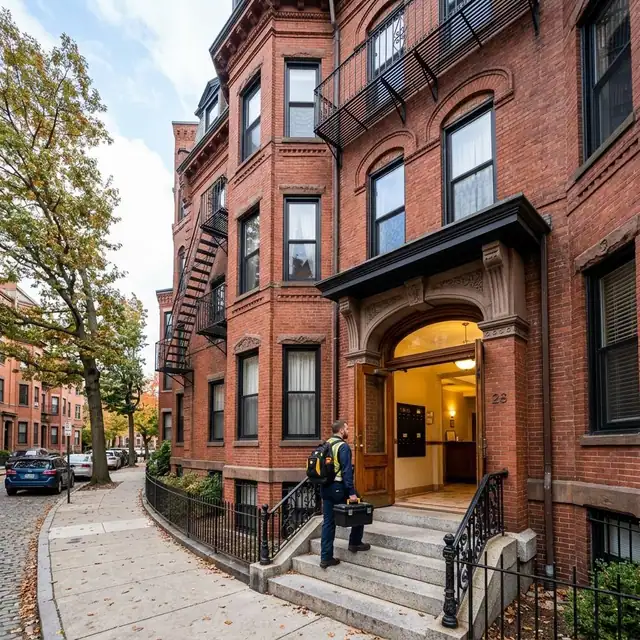
If you suspect the mold is toxic, such as stachybotrys (black mold that slimes), do not touch it. Call a mold inspector and then a remediation company. In Boston, many companies have experience with old buildings and know the peculiarities of plaster and lath construction. They can also help you figure out the root cause of the moisture, whether it is a roof leak, poor attic ventilation, or condensation from the living space below.
Preventing Mold From Coming Back
Once you have cleaned the mold, you need to keep the attic dry. That means fixing any leaks right away. It also means improving attic ventilation. Ridge vents, soffit vents, or gable vents can help air circulate. A dehumidifier in the attic can work if the space is sealed, but many attics are too large or too open for that to be practical. In those cases, you need to address the air exchange.
Check the insulation too. If the insulation is blocking airflow from the soffits, you can install baffles to keep the air moving. Also make sure bathroom and kitchen exhaust fans vent outside, not into the attic. I have seen attics where a bathroom fan simply blew moist air into the insulation, creating a mold problem that took years to notice.
Final Thoughts on Attic Mold Removal
Attic mold removal is not a one-time project. It is a process of cleaning, fixing the source, and monitoring. If you stay on top of it, you can keep your attic dry and healthy. Use the right tools, protect yourself, and know your limits. For small jobs, a little vinegar and a HEPA vacuum can do the trick. For anything larger, bring in a professional. And always remember that preventing mold is easier and cheaper than removing it.